What to Wear on a Koh Samui ATV Tour
Find out what to wear for a Koh Samui ATV tour, including shoes, clothes, sun protection and what to pack for dusty or muddy trails.
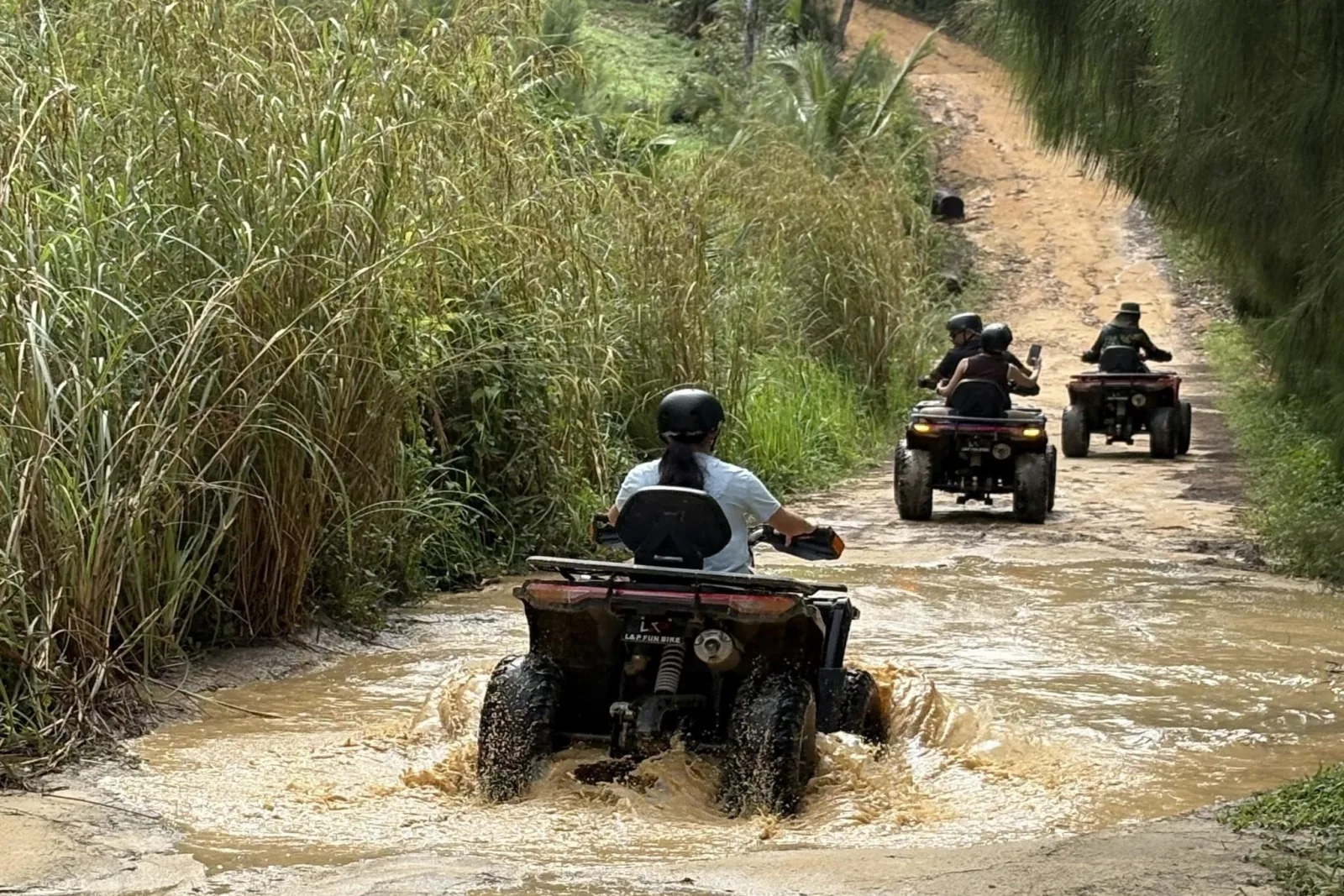
Wear closed shoes, lightweight clothes you do not mind getting dirty, and protective riding equipment for a Koh Samui ATV tour. In dry weather you are likely to finish dusty; after rain, expect mud and splashes. A change of clothes is one of the most useful things you can bring for the transfer back to your hotel.
For better protection, the ATV Safety Institute recommends a motorcycle helmet, eye protection, gloves, long trousers, long sleeves and boots that cover the ankles. An operator accepting trainers or shorts does not make them equally protective.
The best outfit is practical rather than fashionable. It should allow you to move freely, protect your skin from sun and trail debris, and remain comfortable in Koh Samui’s heat and humidity.
Quick packing list: Secure boots, long trousers, breathable long-sleeved top, riding gloves, suitable eye protection, sunscreen, hair tie, secure phone pouch and a complete change of clothes. Confirm the supplied helmet fits.
Check Availability
Compare dates for Koh Samui: Premium 2-Hour Small-Group Jungle ATV Adventure. Check equipment, participant restrictions and the selected option before booking.
What should you wear for quad biking in Koh Samui?
Closed shoes
Prefer sturdy boots that cover your ankles. Trainers or walking shoes may meet the operator’s minimum rule, but provide less ankle protection. Closed footwear protects your toes from stones, branches, hot parts of the vehicle and accidental contact with the ground.
Avoid flip-flops, loose sandals, high heels and shoes that can slip off. Even if an operator does not explicitly prohibit them, they provide little protection and can make it harder to control the ATV safely.
Do not wear your favourite white trainers. Dust and reddish-brown mud can be difficult to remove, especially after a wet-season ride.
Lightweight, comfortable clothes
Choose breathable clothes that allow your arms, shoulders, hips and knees to move freely. You may need to lean, stand slightly on the footrests or adjust your weight over rough sections.
A T-shirt or lightweight long-sleeved top works well. Longer sleeves provide extra protection from sun, insects, dust and light scratches, while a short-sleeved top may feel cooler.
For your lower half, wear lightweight trousers, sports leggings, cargo trousers or sturdy shorts. Avoid very short, tight or restrictive clothing that makes it uncomfortable to sit astride the ATV.
Clothes that can get dirty
An ATV tour is not a clean activity. Dry trails create fine dust that settles on clothing, skin and hair. Rain turns parts of the route into mud, and the vehicle in front can send water or dirt towards you.
Wear older clothes or inexpensive activewear. Dark and earthy colours hide stains better than white or pale fabrics.
Should you wear shorts or trousers?
Some tours accept either, but lightweight long trousers provide better protection and are the recommended choice. They reduce direct sun exposure and help shield your legs from dust, small stones, plants and warm parts of the ATV.
Shorts may feel cooler, especially during the hottest months, but choose a pair long enough to remain comfortable while seated. Very short shorts can ride up and leave more skin exposed.
If you are sensitive to insects or sunburn easily, breathable long trousers are the better choice.
Do you need a long-sleeved top?
It is not always required, but a thin long-sleeved top is useful. It protects your arms without the weight of a heavy jacket and can be especially helpful on exposed mountain sections.
If you prefer a T-shirt, apply sunscreen to your arms and shoulders before pickup. Bring sunscreen with you if the overall tour, including transfers, lasts several hours.
What shoes are best for an ATV tour?
The ideal shoes are:
- fully closed;
- firmly secured to your feet;
- comfortable in hot weather;
- equipped with a non-slip sole;
- old enough that mud will not ruin them.
Some operators accept trainers, but over-the-ankle boots provide more coverage. Ask about footwear before booking; do not assume the base has shoes to lend.
Waterproof shoes can help in wet conditions, but they may feel hot. Quick-drying shoes are another practical option, provided they protect your feet properly.
What to wear during the dry season
Koh Samui’s drier periods tend to produce hard-packed tracks and plenty of dust. Your priorities should be sun protection, breathability and eye comfort.
Consider wearing:
- a breathable T-shirt or sun shirt;
- lightweight trousers or longer shorts;
- closed trainers;
- sunglasses that fit securely;
- high-SPF sunscreen;
- a neck gaiter or buff if allowed by the operator.
A buff can keep some dust off your face, but it is not reliable respiratory protection and must not interfere with your helmet or vision. Ask the guide to increase spacing if dust affects visibility or breathing.
What to wear during the rainy season
Wet-season trails can be muddy, slippery and much messier. Wear quick-drying clothes and assume they may become stained.
Pack:
- lightweight synthetic clothing rather than heavy cotton;
- closed shoes with good grip;
- a complete change of clothes;
- spare socks;
- a small towel;
- a waterproof bag for your phone and valuables.
A thin rain layer may help before and after the ride, but a loose poncho can flap, catch on the vehicle or obstruct your movement. Only wear rain gear approved by the tour guide.
Read the guide to Koh Samui ATV tours in the rain →
Are helmets and safety equipment provided?
For a specific comparison, Lexi’s two-hour ATV tour lists a helmet and waterproof bag, but excludes glasses or eye protection. Bring suitable eye protection and confirm fit before riding. Read our ATV safety guide for checks beyond clothing.
Reputable guided tours normally provide a helmet and basic safety equipment. Some may also provide goggles, gloves, dust protection or disposable rain gear, but these extras are not universal.
Confirm what is included before you leave your hotel. A helmet should fit securely and remain fastened throughout the ride. If it feels loose, damaged or uncomfortable, ask for another one before starting.
Use goggles or impact-resistant riding eye protection that fits with the helmet. Ordinary sunglasses do not necessarily protect against flying debris; check their suitability with the operator.
Should you wear gloves?
Gloves are optional on many tourist ATV tours, but they can improve grip and reduce discomfort from vibration. They may also help prevent blisters during a longer ride.
Prefer properly fitting riding gloves; check any alternative with the operator. Avoid bulky gloves that make it difficult to operate the throttle and brakes.
What should you do with long hair?
Tie long hair back securely and keep it contained inside or below the helmet. Loose hair can become tangled, obstruct your view or make the helmet fit badly.
Use a simple low ponytail or braid rather than a high bun, which can prevent the helmet from sitting correctly. Avoid hard clips positioned beneath the helmet.
Can you bring a phone or camera?
You can normally bring a phone, but it should be stored in a zipped pocket, waterproof pouch or secure bag while the ATV is moving. Do not hold it in one hand while driving.
Many guides stop at safe places for photos and may take pictures of participants during the ride. Check whether photos or videos are included in the tour price.
Action cameras should use a proper mount approved by the operator. Handheld selfie sticks are unsuitable while riding.
What should you leave at the hotel?
Avoid bringing unnecessary valuables. Leave behind:
- expensive jewellery;
- loose handbags;
- unsecured wallets;
- delicate clothing;
- large cameras without protective cases;
- anything that cannot tolerate dust, rain or impact.
If you must bring cash or identification, keep it in a waterproof zipped pouch. Ask whether lockers or secure storage are available at the ATV base.
Should you bring a change of clothes?
If your route includes a waterfall swim, add swimwear and a towel. Check the waterfall tour comparison and your selected itinerary; swimming depends on conditions and is not part of every ride.
Yes. Even when the weather is dry, a clean T-shirt and shorts make the shared hotel transfer much more comfortable. After rain, you may want to replace almost everything, including socks.
Pack clean clothing in a sealed plastic or waterproof bag so it stays dry and dust-free. You can place your dirty clothes in the same bag after changing.
Complete Koh Samui ATV packing checklist
Wear on the tour
- Secure over-the-ankle boots (confirm the operator’s footwear rules)
- Breathable long-sleeved top
- Lightweight long trousers
- Sunscreen
- Suitable riding eye protection
- Hair tied back
Pack in a small bag
- Change of clothes
- Spare socks
- Small towel
- Water-resistant phone pouch
- Any essential medication
- Copy of booking confirmation
- Small amount of cash
Optional items
- Riding gloves, recommended even if the operator treats them as optional
- Neck gaiter or buff
- Action camera with secure mount
- Insect repellent
- Refillable water bottle if permitted
Common clothing mistakes to avoid
Wearing flip-flops
They offer little grip or protection and can come off easily. Closed shoes are the safer choice.
Choosing white or expensive clothes
Dust and mud are part of the activity. Wear something you will not mind staining.
Carrying loose belongings
Phones, sunglasses and keys can fall out on rough tracks. Secure everything before moving.
Wearing restrictive clothing
You need to steer and change your body position. Tight clothes can make a physical ride uncomfortable.
Forgetting sun protection
Cloud and tree cover do not eliminate UV exposure. Use sunscreen and protect exposed skin.
Assuming a buggy keeps you clean
Buggies usually have open sides. A roof offers some shade, but dust, rain and mud can still reach passengers.
Frequently asked questions
Can I wear sandals on a Koh Samui ATV tour?
Closed shoes are strongly recommended and may be required. Sandals and flip-flops provide inadequate protection and grip.
Will my clothes get muddy?
They may. In dry conditions, dust is more likely; after rain, expect mud and water splashes. Wear old clothes and bring a clean set.
Do I need specialist ATV clothing?
No. Most visitors can wear normal active or outdoor clothing. Confirm that a helmet is provided and check which other protective equipment you need to bring.
Can I wear a dress or skirt?
It is not practical for riding astride an ATV. Wear trousers, leggings or secure shorts that allow free movement.
Can I wear contact lenses?
Dust can irritate contact lenses. Use suitable eye protection whether you wear contacts or prescription glasses; ask your eye-care professional about your particular needs. Bring suitable eye drops if recommended by your eye-care professional.
Should I bring a raincoat?
A compact rain jacket is useful for transfers and stops. Do not ride in loose clothing or a flapping poncho unless the guide confirms it is safe.
Final advice
The ideal Koh Samui ATV outfit is simple: secure boots, breathable long sleeves and trousers, riding gloves, eye protection and a properly fitted helmet. Add a change of clothing, secure your phone and leave valuable accessories at your hotel.
Preparing properly will not only keep you more comfortable—it will let you concentrate on the jungle trails, viewpoints and experience rather than worrying about ruined shoes or lost belongings.
Ride Koh Samui's Jungle Interior
Compare routes, practice time and equipment before choosing your Koh Samui ATV tour.
Check Availability & Book